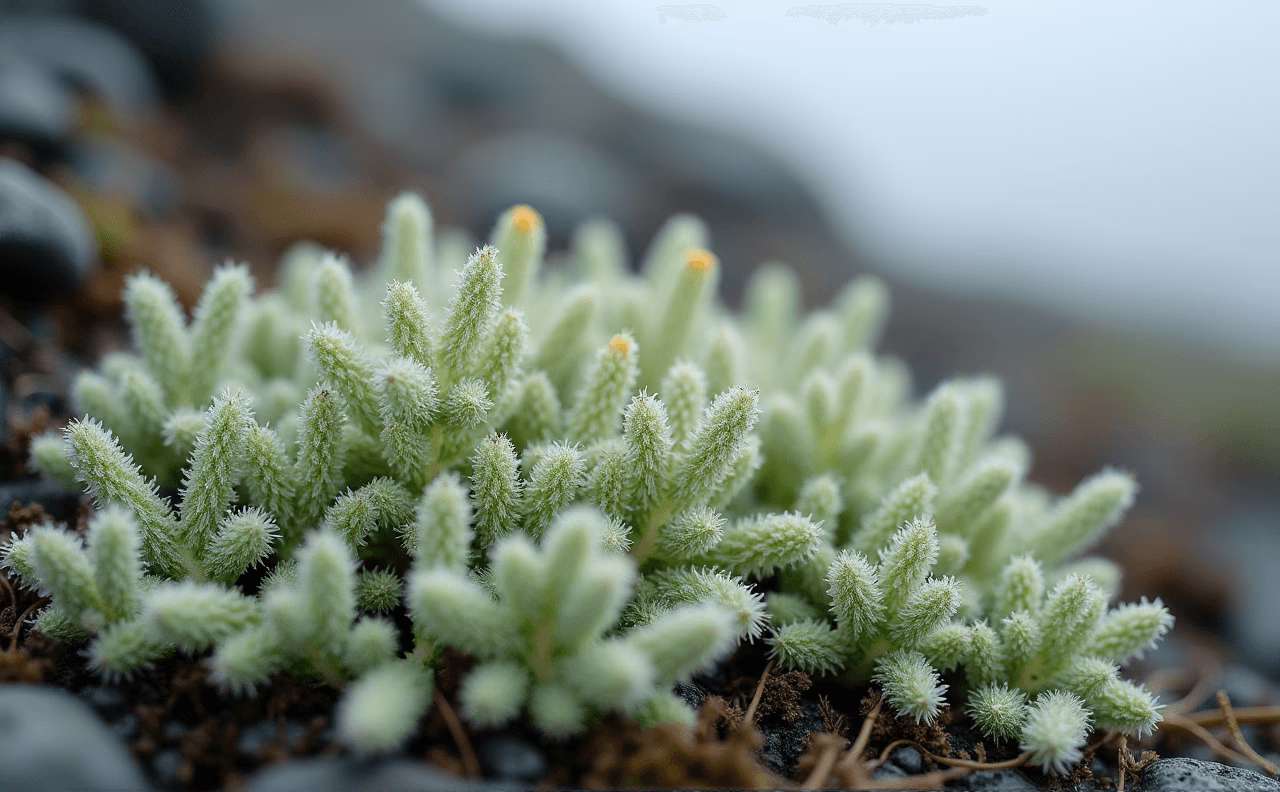
Aleutian Mugwort
Artemisia aleutica
Grow Time
60-90 days
Sunlight
Full Sun
Watering
Every 7-10 days
Toxicity
Non-toxic
How to plant Aleutian Mugwort: Step-by-Step Guide
Growing Guide
Preparation
Getting Started with Aleutian Mugwort
Hi there, green thumb in the making! Aleutian Mugwort is a hardy plant that’s great for beginners. It's known for its silvery-green leaves and ability to thrive in various conditions.
Choosing Seeds or Plants:
You can start with seeds, but since Aleutian Mugwort is a bit uncommon, you might want to look for small starter plants at your local nursery or garden center. If you do find seeds, they're usually available online or through specialty herb shops.
Timing:
This plant is pretty tough and can handle cooler temperatures, so you can plant it in early spring or fall. Just make sure the ground isn’t frozen!
Tools and Materials:
- Aleutian Mugwort seeds or starter plants
- A pot (if planting indoors) or a patch of soil in your garden
- Regular garden soil (it doesn’t need anything fancy!)
- Watering can or hose
- Sunny or partially shaded spot
Tip: Aleutian Mugwort isn’t picky about soil, but it prefers well-draining soil to avoid soggy roots.
Planting
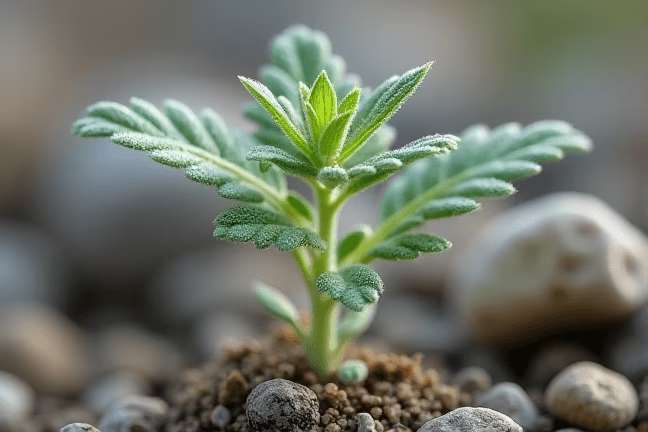
Planting Your Aleutian Mugwort
If Using Seeds:
- Fill a small pot or seed tray with moist soil.
- Sprinkle a few seeds on top and lightly cover them with a thin layer of soil—no deeper than ¼ inch (0.6 cm).
- Gently water the soil to keep it moist.
- Place the pot in a sunny or partially shaded area. The seeds should sprout in about 1-2 weeks.
- Once the seedlings are about 2-3 inches tall, you can transplant them into larger pots or directly into the garden.
If Using Starter Plants:
- Dig a hole in your garden or pot that’s slightly larger than the root ball of the plant.
- Place the plant in the hole and cover the roots with soil, gently pressing down to secure it.
- Water the plant thoroughly after planting.
Spacing:
If you’re planting more than one Aleutian Mugwort, leave about 18-24 inches (45-60 cm) between each plant to give them room to grow.
Tip: Aleutian Mugwort grows well in both full sun and partial shade, so don’t worry too much about finding the “perfect” spot—it’s adaptable!
Growing Care
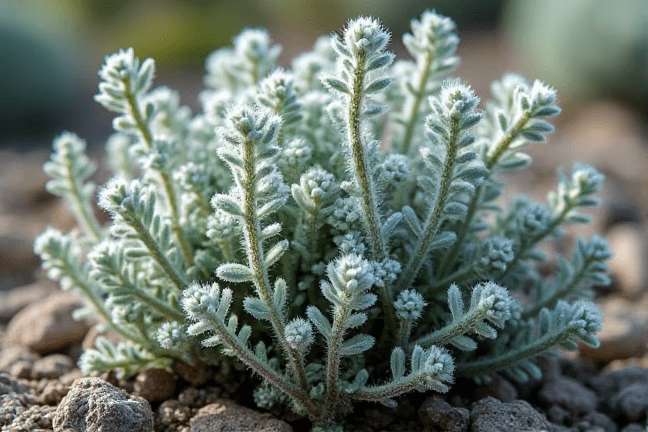
Taking Care of Your Aleutian Mugwort
Sunlight:
Aleutian Mugwort loves sunlight but can also tolerate some shade. Aim for at least 4-6 hours of sunlight daily, but it will still be happy with less.
Watering:
- Water your plant when the top inch of soil feels dry.
- Aleutian Mugwort is drought-tolerant, so don’t overwater it! Too much water can lead to root rot.
- In hot weather, water every 2-3 days; in cooler weather, once a week should be enough.
Fertilizing:
You don’t need to fertilize Aleutian Mugwort often. If you feel like giving it a boost, use a light dose of general-purpose fertilizer once or twice during the growing season.
Pruning:
Trim back any leggy or dead stems in late winter or early spring to encourage new growth. This will keep your plant looking tidy and healthy.
Tip: Aleutian Mugwort spreads easily, so if you don’t want it taking over your garden, consider planting it in a contained area or pot.
Harvesting
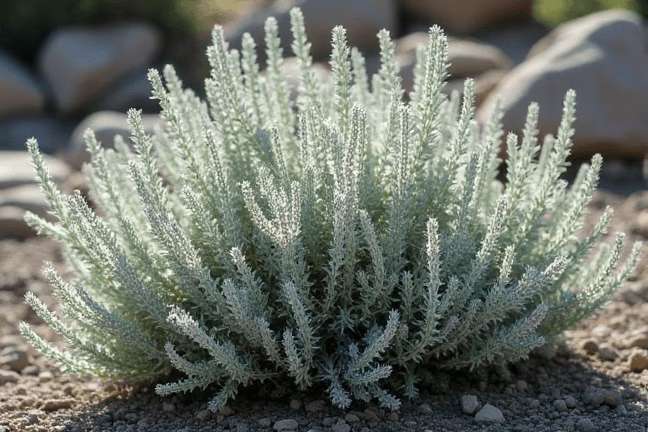
When and How to Harvest Aleutian Mugwort
When to Harvest:
Aleutian Mugwort can be harvested anytime during the growing season, but the best time is just before it flowers. This is when the leaves are most fragrant and potent.
How to Harvest:
- Use clean scissors or pruning shears to cut the stems just above a leaf node (where the leaf meets the stem).
- You can harvest as much or as little as you need. The plant will continue to grow back throughout the season.
Using Your Harvest:
- Dry the leaves by hanging them upside down in a cool, dry place. Once dried, you can use them in teas or herbal remedies.
- Fresh leaves can also be used in cooking or as a garnish.
Storing:
Store dried leaves in an airtight container away from direct sunlight. They’ll last for several months.
Tip: Aleutian Mugwort has a strong aroma, so it’s often used in herbal teas or as a natural insect repellent. Get creative with how you use it!
Plant Care FAQ
1. My Aleutian Mugwort looks droopy. What should I do?
Cause: It could be either underwatered or overwatered.
Solution: Check the soil moisture. If it’s too dry, water it. If it’s soggy, let the soil dry out before watering again.
2. Is Aleutian Mugwort invasive?
Cause: It can spread quickly if not managed.
Solution: Plant it in a contained area or pot to prevent it from spreading too far.
3. Can I grow Aleutian Mugwort indoors?
Answer: Yes! Place it near a sunny window where it can get at least 4-6 hours of light per day. It’s a great indoor plant for beginners.
4. Why are my leaves turning yellow?
Cause: Yellow leaves can be a sign of overwatering or poor drainage.
Solution: Cut back on watering and make sure the soil drains well. If necessary, add sand or perlite to improve drainage.
5. Does Aleutian Mugwort attract pests?
Answer: Not really! It’s actually known to repel insects, which makes it a great companion plant for your garden.
6. Can I propagate Aleutian Mugwort?
Answer: Yes! You can take cuttings from the plant and root them in water or soil to grow new plants.
Pro Tips
1. Companion Planting
Aleutian Mugwort is a great companion plant because it repels insects. Plant it near vegetables like tomatoes or peppers to help keep pests away.
2. Natural Insect Repellent
Crush a few leaves and rub them on your skin (test a small area first!) to use as a natural bug repellent.
3. Low Maintenance Herb
Aleutian Mugwort is perfect for beginner gardeners because it’s hardy and doesn’t require much care. It’s almost impossible to kill!
4. Drought-Tolerant
Once established, this plant can handle dry spells. Great for gardens in areas with water restrictions.
5. Deer-Resistant
Deer tend to avoid Aleutian Mugwort, making it a good choice if you live in an area with lots of wildlife.
6. Winter Hardiness
Aleutian Mugwort can survive cold winters, so don’t worry about it freezing. It will come back stronger in the spring.
7. Herbal Uses
Besides teas, Aleutian Mugwort can be used in sachets or potpourri for its pleasant aroma. It’s also been traditionally used for its calming properties.