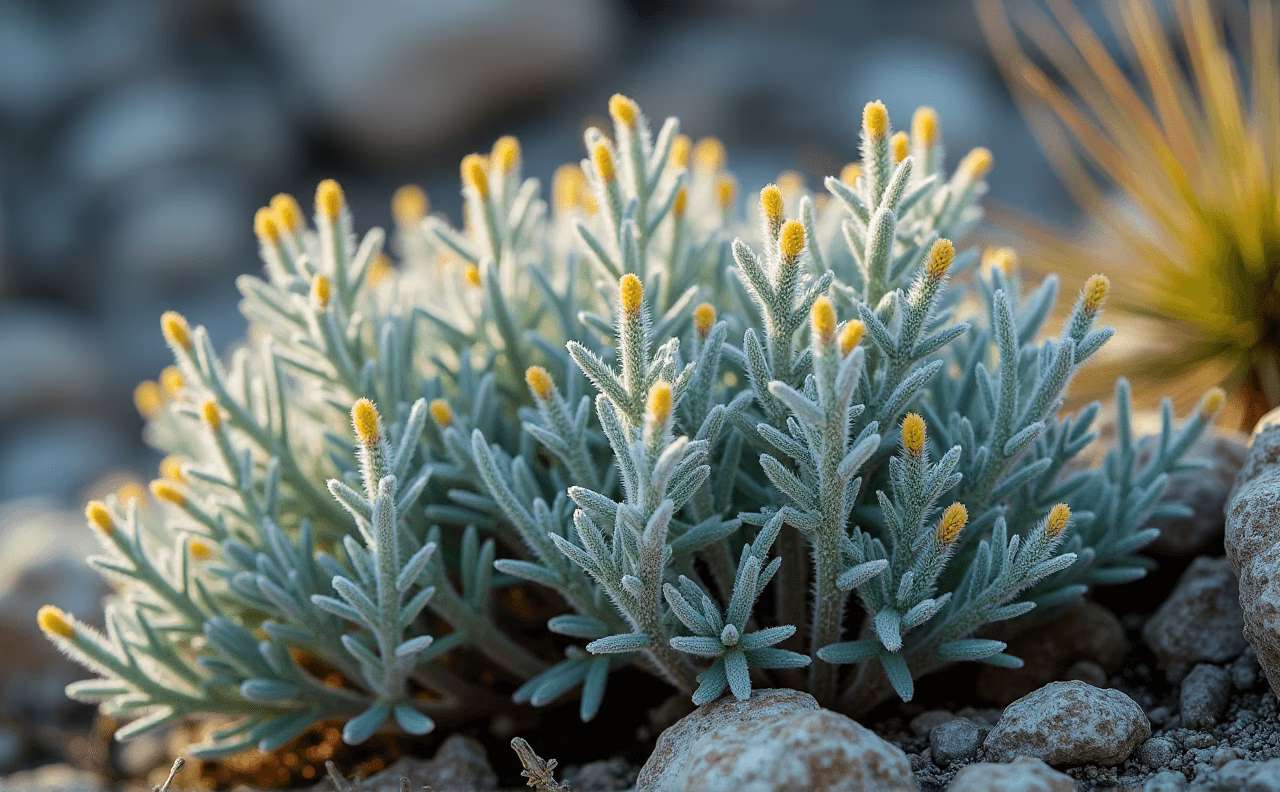
Alpine Sagewort
Artemisia scopulorum
Grow Time
60-90 days
Sunlight
Full Sun
Watering
Every 7-10 days
Toxicity
Non-toxic
How to plant Alpine Sagewort: Step-by-Step Guide
Growing Guide
Preparation
Choosing Alpine Sagewort: Alpine Sagewort is a hardy, low-growing plant that's often used in rock gardens or as ground cover. It’s perfect for beginners because it doesn’t need much fuss!
When to Plant: This plant loves cooler temperatures and does best when planted in early spring or fall. If you live in a colder region, late spring after the last frost is ideal.
What You’ll Need:
- Alpine Sagewort seeds or young plants
- Well-draining soil (it doesn't like soggy feet!)
- A sunny or partially shaded spot
- Small pots or garden space
- Gravel or sand (optional, to help with drainage)
Soil Prep: Alpine Sagewort prefers rocky or sandy soil. If your garden soil is heavy, mix in some sand or small gravel to improve drainage. For pots, use a cactus or succulent mix if you have it—these drain well and mimic its natural habitat.
Planting
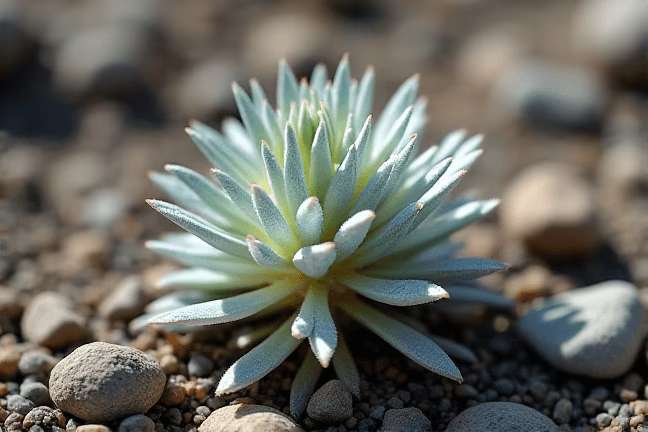
If Using Seeds:
- Fill small pots or seed trays with a sandy, well-draining soil mix.
- Sprinkle seeds lightly on top of the soil—don’t bury them too deep, just press them gently into the surface.
- Mist the soil lightly with water to keep it moist but not soaking wet.
- Place the pots in a cool, bright spot. They don’t need intense heat but do need light to germinate.
- Seeds should sprout within 2-3 weeks. Once they’re big enough to handle, you can transplant them into larger pots or directly into the garden.
If Using Young Plants:
- Dig a hole slightly larger than the root ball of the plant.
- Gently place the plant in the hole, making sure the top of the root ball is level with the soil surface.
- Backfill with soil and press down lightly.
- Water thoroughly after planting to help the roots settle in.
Spacing: If you're planting more than one, leave about 12 inches between each plant to give them room to spread out without overcrowding.
Growing Care
Sunlight: Alpine Sagewort thrives in full sun but can also handle partial shade. Aim for at least 4-6 hours of sunlight per day. If you notice the plant looking leggy or sparse, it might need more light.
Watering: This plant doesn’t like too much water. Let the soil dry out between waterings. In hot weather, water once a week; in cooler weather, you might only need to water every two weeks. Always check the soil first—if the top inch feels dry, it’s time to water.
Fertilizing: You really don’t need to fertilize Alpine Sagewort much—it’s used to poor, rocky soils. If you want to give it a little boost, use a diluted liquid fertilizer once in early spring. Over-fertilizing can make the plant grow too fast and become weak.
Pruning: To keep it tidy and encourage bushier growth, you can trim back any leggy stems in early spring. Just snip off the tips of the longer stems with clean scissors or pruning shears.
Winter Care: In colder climates, Alpine Sagewort is quite hardy and can survive frost. However, adding a light layer of mulch (like straw or leaves) around the base can help protect the roots during harsh winters.
Harvesting
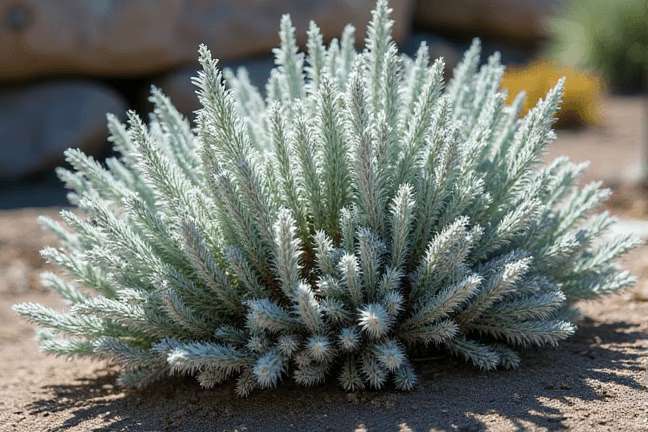
When to Harvest: Alpine Sagewort isn’t typically harvested for food, but its aromatic leaves can be picked for herbal uses or dried for crafts. The best time to harvest is in late spring or early summer when the plant is at its most fragrant.
How to Harvest:
- Use clean scissors or your fingers to snip off small sections of the plant. Don’t take more than a third of the plant at a time—this ensures it stays healthy and continues to grow.
- If you’re drying the leaves, hang them upside down in a cool, dry place with good airflow. Once dried, you can store them in an airtight container.
Using Your Harvest: The dried leaves can be used in potpourri or sachets due to their pleasant scent. Some people also use them in teas or infusions, though it’s always wise to consult with an herbalist before using any plant medicinally.
Plant Care FAQ
Q: Why are my Alpine Sagewort leaves turning yellow?
A: Yellow leaves usually mean overwatering. This plant prefers drier conditions, so let the soil dry out completely between waterings. If the problem persists, check if the soil is draining well enough.
Q: Can I grow Alpine Sagewort indoors?
A: Yes, but it needs plenty of light. Place it near a south-facing window where it can get lots of sunlight. You might also need to use a grow light if your home is dim.
Q: My plant looks thin and leggy. What should I do?
A: Leggy growth often happens when the plant isn’t getting enough sunlight. Try moving it to a sunnier spot or trimming back some of the longer stems to encourage bushier growth.
Q: Does Alpine Sagewort attract pests?
A: Not really! This plant is pretty resistant to pests and diseases. However, watch out for aphids if the plant is stressed by too much water or poor drainage. A quick spray with water or insecticidal soap should take care of them.
Q: How do I propagate Alpine Sagewort?
A: You can propagate it by dividing the plant in early spring. Gently dig up the plant, split the root ball into smaller sections, and replant each section. You can also take stem cuttings and root them in sandy soil.
Pro Tips
1. Rock Garden Star:
Alpine Sagewort is perfect for rock gardens or areas with poor soil. Its low-growing habit makes it a great filler between stones or along pathways.2. Skip the Fertilizer:
This plant thrives in poor soil, so resist the urge to fertilize too much. Too many nutrients can weaken its natural hardiness.3. Companion Planting:
Pair Alpine Sagewort with other drought-tolerant plants like lavender or thyme. They all enjoy similar conditions and look great together.4. Container Gardening:
If you’re growing in pots, choose a shallow container with good drainage holes. This mimics the shallow, rocky soils it loves in the wild.5. Winter Interest:
Even in winter, Alpine Sagewort can add interest to your garden with its evergreen-like foliage. It’s a great choice for year-round appeal.6. Natural Pest Repellent:
The strong scent of Alpine Sagewort can help deter certain pests from nearby plants, making it a helpful addition to your garden.7. Easy Division:
Every few years, divide your Alpine Sagewort to prevent overcrowding and rejuvenate the plant. Spring is the best time to do this.