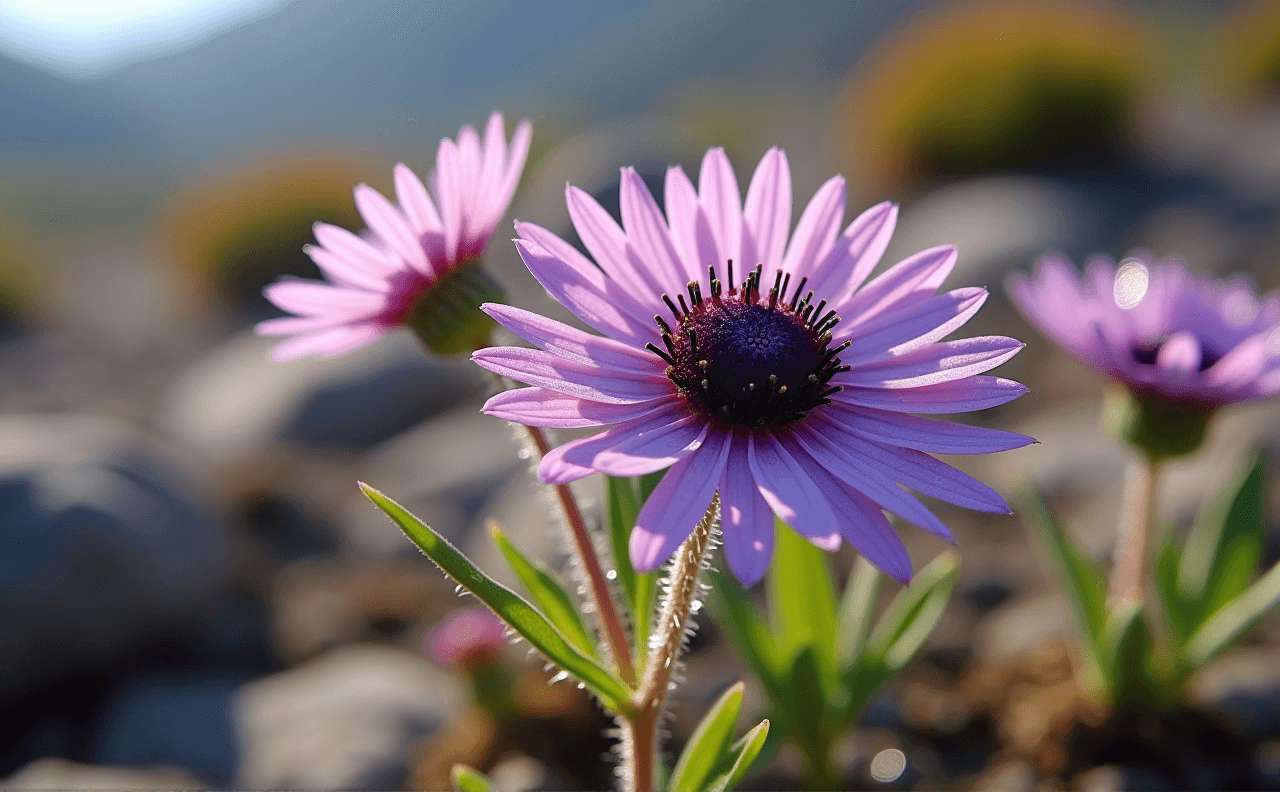
Black-headed Fleabane
Erigeron melanocephalus
Grow Time
60-75 days
Sunlight
Full Sun
Watering
Every 5-7 days
Toxicity
Non-toxic
How to plant Black-headed Fleabane: Step-by-Step Guide
Growing Guide
Preparation
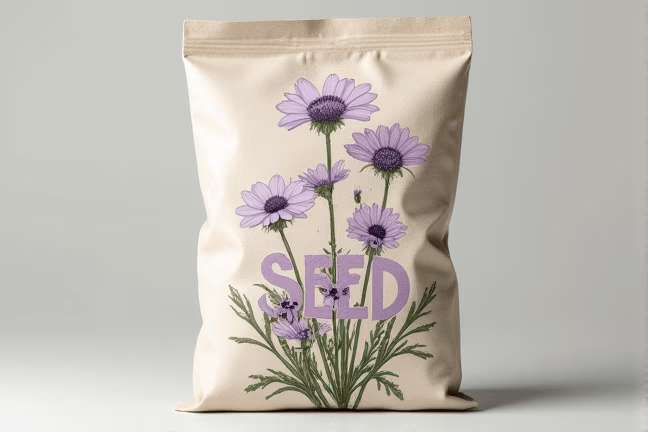
What you'll need:

Black-headed Fleabane seeds (often found in wildflower seed mixes)

A small patch of garden or a pot (at least 8 inches wide with drainage holes)

Regular potting soil or well-draining garden soil

Watering can or spray bottle
When to start:
Black-headed Fleabane loves cooler weather, so the best time to plant is early spring or fall. If you're planting in summer, choose a spot that gets some shade during the hottest part of the day.
Finding a good spot:
This plant isn’t picky but does its best in full sun to partial shade. It’s perfect for areas where the soil might not be super rich—just make sure it drains well. If your soil tends to hold water, mix in some sand or gravel to improve drainage.
Tip: If you’re unsure about your soil, just dig a small hole and fill it with water. If it drains within an hour, you’re good to go!
Planting
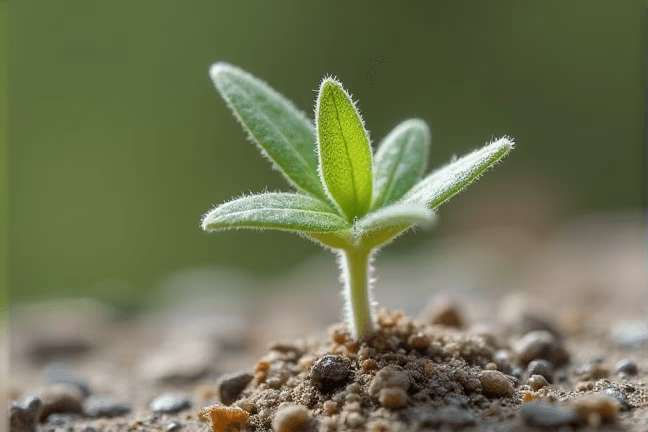
- Prepare the soil: Loosen the soil in your chosen spot by digging it up lightly. If you're using a pot, fill it about ¾ full with soil.
- Sow the seeds: Sprinkle the seeds on top of the soil. Don’t bury them too deep—just press them gently into the surface. They need light to germinate!
- Water gently: Use a spray bottle or a watering can with a fine spout to moisten the soil without washing the seeds away.
- Cover lightly: You can sprinkle a very thin layer of soil over the seeds, but don’t bury them more than ¼ inch deep.
- Keep it moist: For the first couple of weeks, keep the soil consistently moist. You should see tiny sprouts in about 7-14 days.
Tip: If you’re planting in a pot, you can place it near a window that gets morning sun but has some afternoon shade.
Growing Care
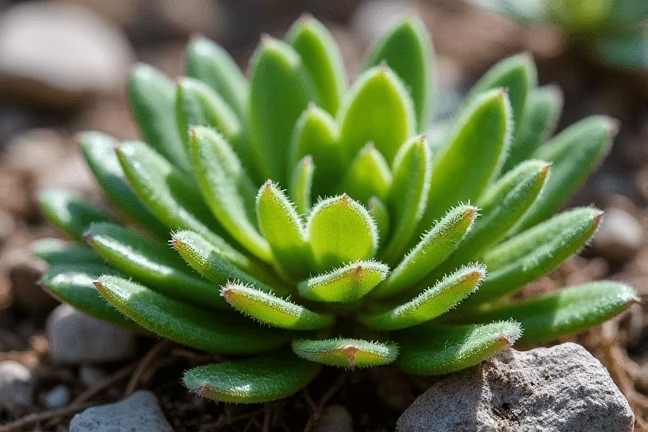
Watering:
Once your Black-headed Fleabane sprouts, you won’t need to water it as much. This plant is pretty drought-tolerant, so let the soil dry out between waterings. If you notice the leaves wilting, give it a drink.
Sunlight:
These plants enjoy a mix of full sun and partial shade. If you live in a hot climate, make sure they get some shade in the afternoon. In cooler climates, they’ll do fine in full sun.
Feeding:
Black-headed Fleabane doesn’t need much fertilizer. If you want to give it a little boost, use a diluted liquid fertilizer once a month during the growing season (spring through early fall). But honestly, it will thrive even without it!
Weeding:
Keep the area around your plant free from weeds. Weeds compete for nutrients and water, and since fleabane likes to spread, it’s best to give it some space to grow without competition.
Tip: If your plant starts to look a bit leggy, you can trim it back lightly to encourage bushier growth.
Harvesting
When to harvest seeds:
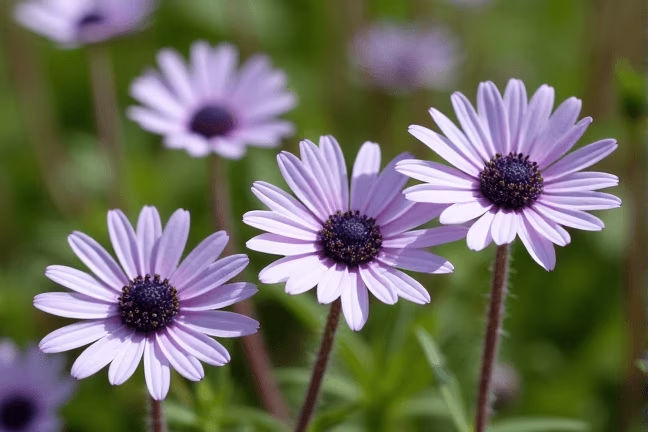
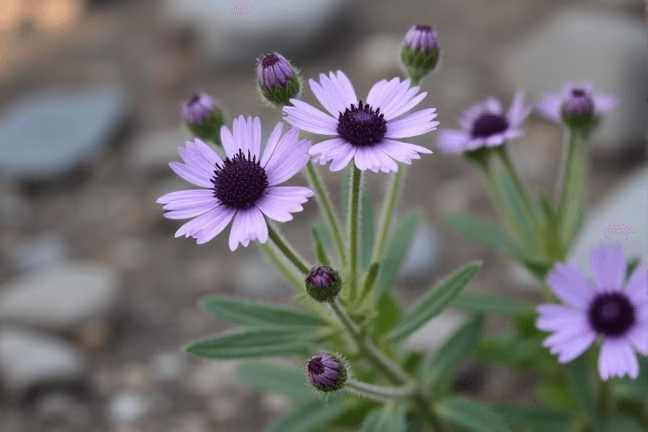
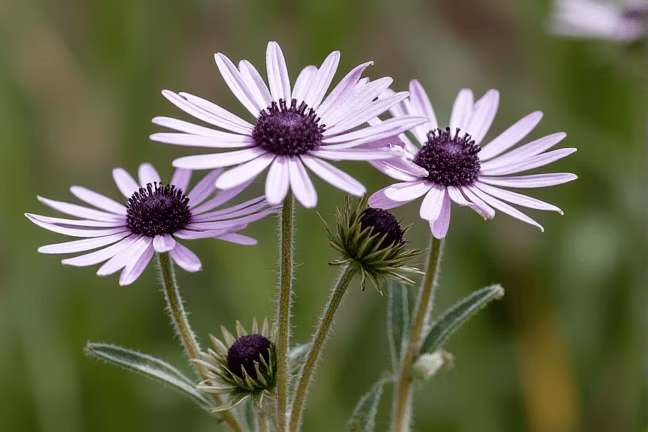
Black-headed Fleabane blooms in late spring to early summer, producing beautiful daisy-like flowers with dark centers. Once the flowers fade, they’ll turn into fluffy seed heads. This is when you can collect seeds if you want to plant more next year.
How to harvest seeds:
- Wait until the flower head looks dry and fluffy.
- Gently shake the seed head over a paper bag or your hand to catch the tiny seeds.
- Store the seeds in a cool, dry place until you’re ready to plant them again.
Tip: If you leave the seed heads on the plant, they may reseed naturally, and you’ll have new plants popping up next season!
Plant Care FAQ
Q: My Black-headed Fleabane is looking droopy. What should I do?
A: Check the soil—if it's bone dry, give it a good drink. These plants are drought-tolerant, but they still need water occasionally. If the soil is moist, it might be getting too much sun, especially in hot climates. Try moving it to a shadier spot.
Q: Can I grow Black-headed Fleabane indoors?
A: Yes, but it’s better suited for outdoor spaces like gardens or balconies. Indoors, it needs plenty of sunlight and good air circulation. If you do grow it inside, place it near a sunny window and avoid overwatering.
Q: Why are my flowers smaller than expected?
A: Smaller flowers could be due to lack of sunlight or poor soil conditions. Make sure your plant is getting enough light and consider adding a bit of compost to the soil to give it a nutrient boost.
Q: Do I need to deadhead the flowers?
A: Deadheading (removing spent flowers) isn’t necessary but can help tidy up the plant and encourage more blooms. If you want it to reseed naturally, you can skip deadheading and let the plant go to seed.
Q: Is Black-headed Fleabane invasive?
A: It’s not considered highly invasive, but it can self-seed quite easily. If you don’t want it spreading too much, remove the seed heads before they release their seeds.
Pro Tips
1. Companion Planting
Black-headed Fleabane attracts pollinators like bees and butterflies, making it a great companion for vegetable gardens. Plant it near crops that need pollination, such as tomatoes or squash.2. Low Maintenance Beauty
This plant is perfect for beginners because it doesn’t demand much attention. Once established, it can handle periods of neglect, making it ideal for busy gardeners.3. Natural Pest Control
Fleabane got its name because it was traditionally used to repel fleas and other insects. While we don’t use it for that anymore, it still helps attract beneficial insects that control pests.4. Wildflower Garden Starter
If you’re thinking about starting a wildflower garden, Black-headed Fleabane is a great beginner plant. It grows easily and pairs well with other wildflowers like poppies and cosmos.5. Cut Flowers
Though it’s not commonly used in bouquets, Black-headed Fleabane makes a charming addition to wildflower arrangements. Cut the stems early in the morning for the freshest blooms.6. Container Gardening
If you’re short on garden space, try growing Black-headed Fleabane in a container. Just make sure the pot has good drainage and place it where it can get plenty of sunlight.7. Let It Go Wild
If you love a natural, wild look in your garden, let this plant reseed itself. Over time, it will create lovely clusters of blooms that attract wildlife.