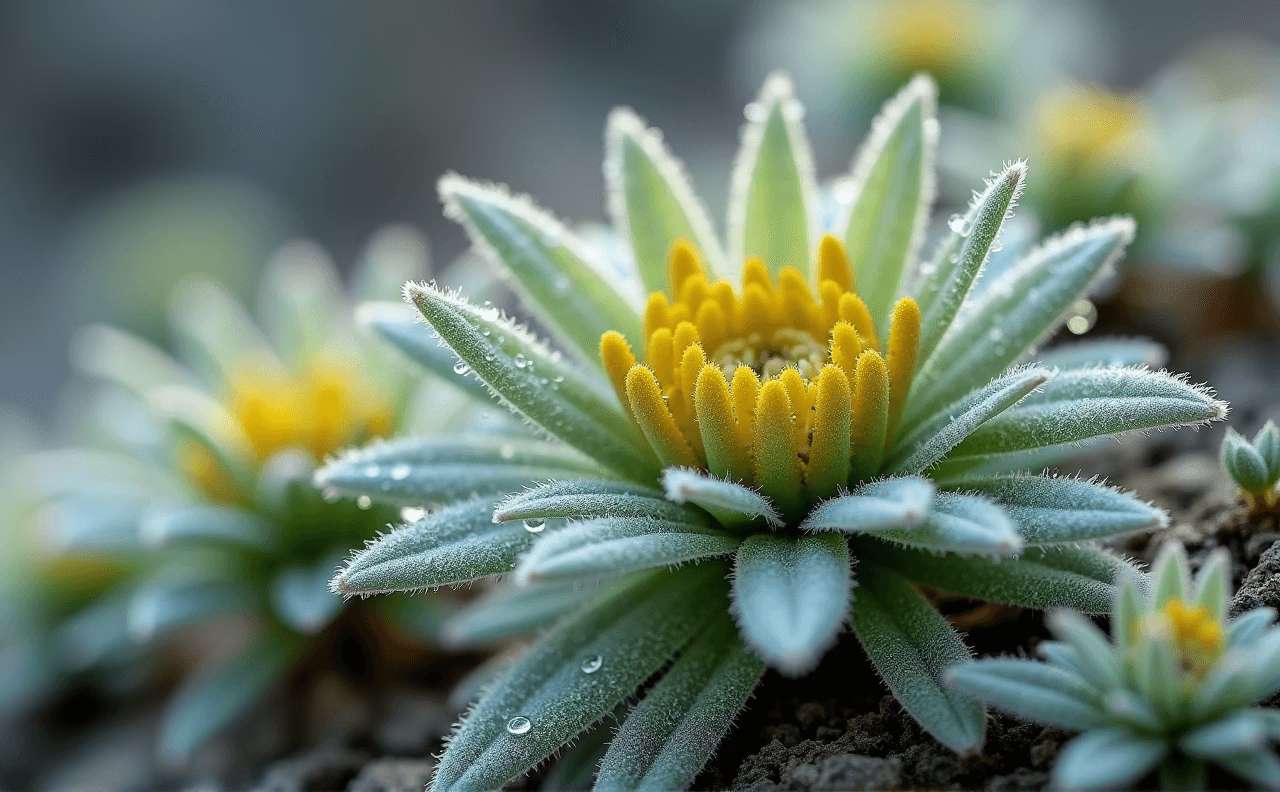
Cluster-head Wormwood
Artemisia glomerata
Grow Time
60-90 days
Sunlight
Full Sun
Watering
Every 7-10 days
Toxicity
Non-toxic
Video content from YouTube
Watch on YouTubeHow to plant Cluster-head Wormwood: Step-by-Step Guide
Growing Guide
Preparation
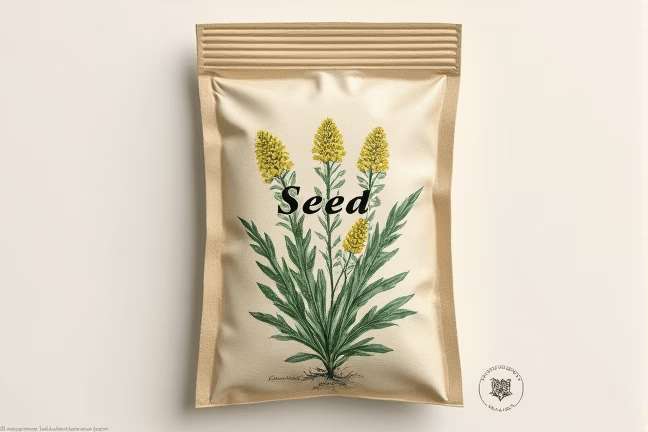
What you'll need:

Cluster-head Wormwood seeds or young plants (you can find these at local nurseries or online)

Well-draining soil—this plant doesn’t like soggy feet! If your soil is heavy or clay-like, mix in some sand or gravel to help with drainage.

A small trowel or spade for planting
- A spot in your garden that gets plenty of sunlight, ideally 6-8 hours a day
When to start:
Cluster-head Wormwood is pretty hardy and can be planted in either early spring or fall. If you're starting from seed, it's best to sow them indoors about 6 weeks before the last frost date in your area. Once the danger of frost has passed, you can move them outside.
Choosing the right spot:
This plant loves full sun but can tolerate partial shade if needed. It’s drought-tolerant, so pick a spot where water doesn’t pool after a rain. You don’t need rich soil—Cluster-head Wormwood actually prefers leaner soil, so no need to go overboard with fertilizer!
Pro Tip: If you’re planting more than one, space them about 12-18 inches apart to give them room to grow without crowding each other.
Planting
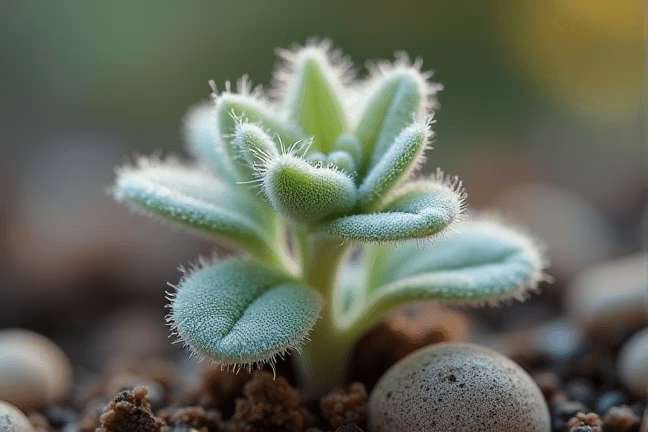
If you're starting from seeds:
- Fill small pots or seed trays with well-draining potting soil.
- Sprinkle the seeds lightly on top of the soil—don't bury them too deep; they need light to germinate.
- Gently press the seeds into the soil surface, then mist the soil with water to keep it moist.
- Place the pots in a sunny spot or under grow lights, keeping the soil consistently moist but not soaking wet.
- Germination usually takes 1-2 weeks. Once the seedlings have grown a few true leaves, they're ready to be transplanted outdoors.
If you're using young plants:
- Dig a hole slightly larger than the root ball of the plant.
- Place the plant in the hole, making sure the top of the root ball is level with the surrounding soil.
- Backfill the hole with soil, gently pressing down around the base of the plant.
- Water thoroughly after planting to help the roots settle in.
Extra Tip: If you’re planting multiple Cluster-head Wormwoods, make sure to leave enough space between them (about 12-18 inches) to allow for air circulation. This helps prevent any potential fungal issues.
Growing Care
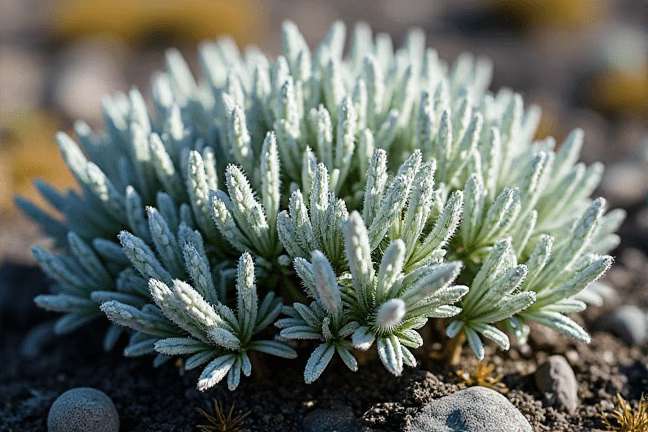
Watering:
Cluster-head Wormwood is drought-tolerant, which means it doesn’t need much water once it’s established. During the first few weeks after planting, water regularly to help the roots take hold—but only when the top inch of soil feels dry. After that, you can cut back on watering. Overwatering is a bigger risk than underwatering with this plant!
Sunlight:
As mentioned, this plant thrives in full sun but can handle partial shade. If you notice the plant getting leggy or floppy, it might not be getting enough light. Try moving it to a brighter spot.
Fertilizing:
Good news—Cluster-head Wormwood doesn’t require much fertilizer! In fact, too much fertilizer can weaken the plant and make it more susceptible to disease. If you feel the need to feed it, use a light application of a balanced fertilizer once in early spring.
Pruning:
To keep your plant looking tidy and healthy, prune it back in early spring before new growth starts. Simply trim back any dead or woody stems to encourage fresh, bushy growth. You can also do a light trim throughout the growing season if the plant starts to look a bit wild.
Pest Control:
One of the great things about Cluster-head Wormwood is that it’s generally pest-resistant. However, if you notice aphids or spider mites, you can spray the plant with a mix of water and a few drops of dish soap to get rid of them.
Harvesting
When to Harvest:
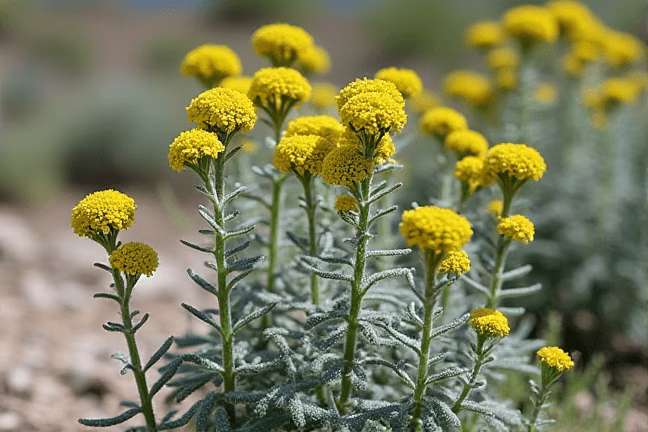
Cluster-head Wormwood is primarily grown for its aromatic foliage rather than flowers or fruit, so you can harvest leaves as needed throughout the growing season. The best time to harvest is in the morning after the dew has dried but before the heat of the day sets in. This is when the oils in the leaves are most potent.
How to Harvest:
Simply snip off the stems or individual leaves with scissors or pruning shears. If you want to dry the leaves for later use (such as in teas or sachets), gather a bunch of stems and hang them upside down in a cool, dry place out of direct sunlight. Once they’re completely dry, you can store them in an airtight container.
Uses:
The leaves of Cluster-head Wormwood have a strong, aromatic scent and have been used traditionally in herbal remedies or as a natural insect repellent. You can also use the dried leaves in potpourri or as a fragrant addition to homemade sachets.
Tip: If you’re harvesting for medicinal purposes, always consult with a professional before using any plant-based remedies.
Plant Care FAQ
Q: My Cluster-head Wormwood looks a bit droopy. What should I do?
A: This plant doesn’t like too much water. Check the soil—if it’s soggy, you may be overwatering. Let the soil dry out before watering again, and make sure your soil drains well.
Q: Can I grow Cluster-head Wormwood in a pot?
A: Yes, absolutely! Just make sure the pot has good drainage holes and use a sandy or gravelly soil mix. Since it’s drought-tolerant, a pot will work fine as long as you don’t overwater.
Q: Is Cluster-head Wormwood invasive?
A: While it’s not considered highly invasive, it can spread through self-seeding if left unchecked. To control its spread, simply remove flower heads before they set seed or regularly deadhead the plant.
Q: Does Cluster-head Wormwood attract pollinators?
A: Not particularly—it’s more known for its aromatic qualities than for attracting bees or butterflies. However, it can still play a role in a diverse garden by providing structure and fragrance.
Q: My plant is getting too tall and falling over. What should I do?
A: Prune it back! You can cut back the taller stems to encourage bushier growth. Don’t worry—this plant responds well to pruning and will grow back fuller.
Pro Tips
1. Companion Planting
Cluster-head Wormwood is a great companion plant for deterring pests in your garden. Its strong scent can help repel insects like mosquitoes and moths, making it a useful addition near vegetable patches or seating areas.2. Drought Garden Star
If you live in a dry climate or want to conserve water, Cluster-head Wormwood is perfect for xeriscaping. Once established, it needs very little water and can thrive in poor soil conditions.3. Natural Insect Repellent
You can crush the leaves and rub them on your skin as a natural mosquito repellent. The essential oils in the plant are known for their bug-repelling properties.4. Easy Propagation
If you want more plants, try propagating Cluster-head Wormwood through stem cuttings. Simply cut a healthy stem, remove the lower leaves, and place it in water until roots develop.5. Deer Resistant
This plant’s strong aroma tends to deter deer and rabbits, so it’s a good choice if you live in an area with lots of wildlife nibbling on your garden.6. Winter Hardiness
Cluster-head Wormwood is quite cold-hardy and can survive frost. If you live in a colder region, consider mulching around the base of the plant in late fall to protect the roots during harsh winters.7. Low Maintenance Beauty
This plant is perfect for low-maintenance gardens. Once established, it requires minimal care beyond occasional pruning and infrequent watering.