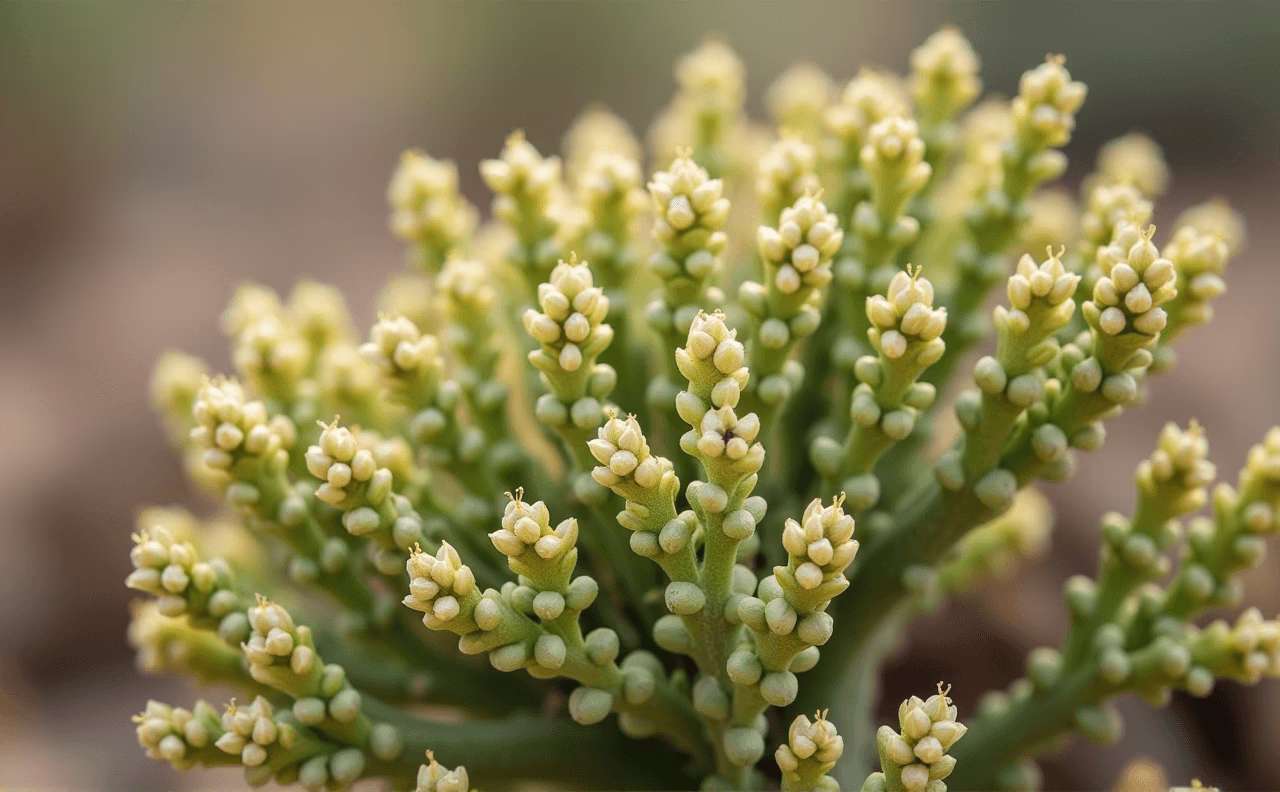
Desert Broom
Baccharis sarothroides
Grow Time
60-90 days
Sunlight
Full Sun
Watering
Every 10-14 days
Toxicity
Non-toxic
How to plant Desert Broom: Step-by-Step Guide
Growing Guide
Preparation
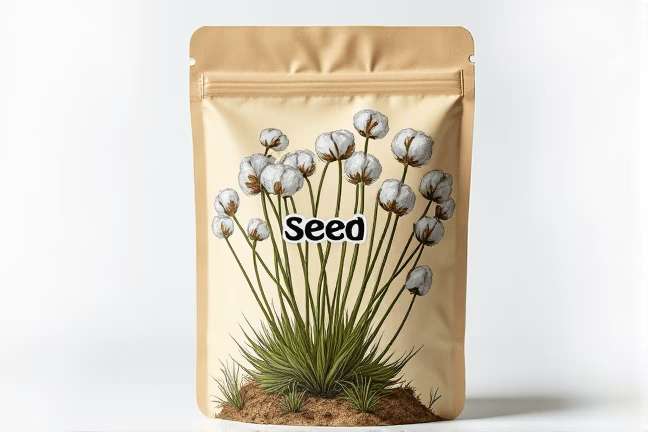
What you'll need:

Desert Broom seeds or young plants (you can find these at local nurseries or online)

A pot or a patch of soil in your yard
Sandy or well-draining soil (Desert Broom doesn’t like soggy feet!)

Some gravel or small rocks (optional, for drainage if you’re planting in a pot)
When to start:
Desert Broom loves warmth and dry conditions, so it’s best planted in the spring after the last frost or early summer when temperatures are consistently warm. If you live in a desert-like area, you can plant almost anytime except during the coldest months.
Choosing a spot:
This plant thrives in full sun, so pick a location that gets plenty of sunlight—at least 6 hours a day. Since it’s native to arid regions, it does well in rocky or sandy soils. If you’re using a pot, make sure it has good drainage holes.
Tip: Desert Broom is drought-tolerant, so don’t worry about frequent watering once it’s established!
Planting
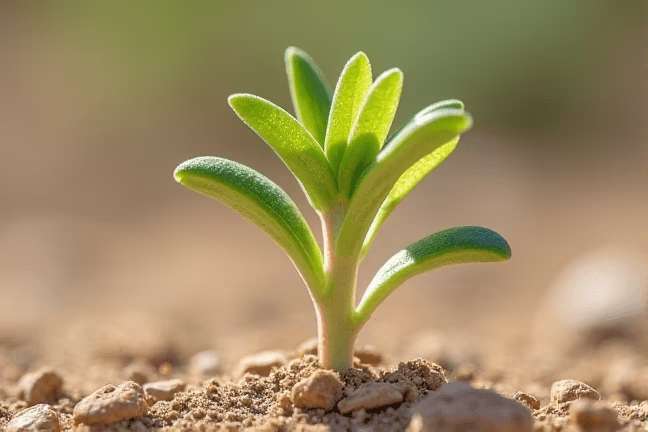
If you have seeds:
- Fill a small pot with sandy or well-draining soil.
- Sprinkle the seeds on top of the soil—don’t bury them too deep; just lightly press them into the surface.
- Water lightly to keep the soil moist but not soaked.
- Place the pot in a sunny spot.
- Seeds should germinate within a couple of weeks.
If you have young plants:
- Dig a hole in the ground or in a large pot, making sure it’s wide enough to accommodate the roots.
- Gently place the young plant in the hole and cover the roots with soil.
- Press down lightly around the base to secure the plant.
- Water immediately after planting, but don’t overdo it—just enough to settle the soil.
Planting tips:
- Space the plants about 3-4 feet apart if you're planting more than one. They’ll grow pretty big!
- If you’re planting in a pot, choose one that’s at least 12 inches wide to give the roots room to spread.
- Adding some gravel at the bottom of the pot will help with drainage.
Tip: Desert Broom doesn’t need rich soil, so avoid adding heavy compost or fertilizer—it prefers poor, rocky soils.
Growing Care
Watering:
- Once established, Desert Broom doesn’t need much water. In fact, too much water can harm it! For the first few weeks after planting, water lightly every 7-10 days to help the roots settle.
- After that, you can reduce watering to once every 2-3 weeks, or even less if you get regular rain.
- Always check the soil before watering—if the top inch feels dry, it’s time to water.
Sunlight and Temperature:
- This plant loves the heat and can handle high temperatures, so don’t worry about scorching sun.
- It’s also frost-tolerant, but if you live in an area with harsh winters, consider planting it in a pot so you can move it indoors during cold spells.
Pruning:
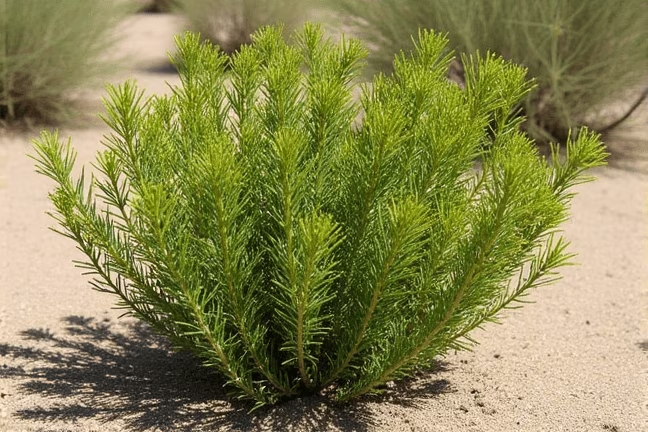
- Desert Broom can grow quite tall and bushy, so if you want to control its size, prune it back in late winter or early spring.
- Use sharp pruning shears to cut back any unwanted branches. This will also encourage thicker growth.
Tip: Be careful when pruning—wear gloves, as some people can have skin reactions from handling the plant.
Harvesting
Desert Broom isn’t typically “harvested” like vegetables or fruits because it’s mainly grown as an ornamental or landscaping plant. However, you might be interested in collecting seeds for future planting:
How to collect seeds:
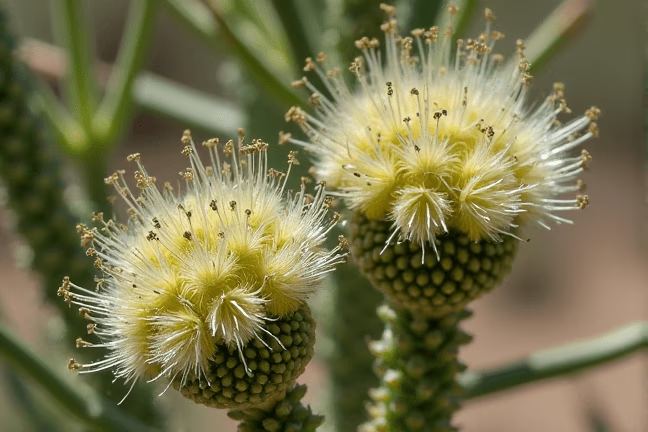
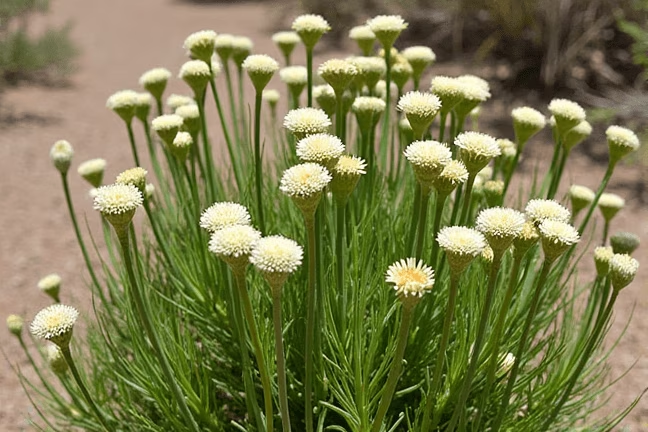
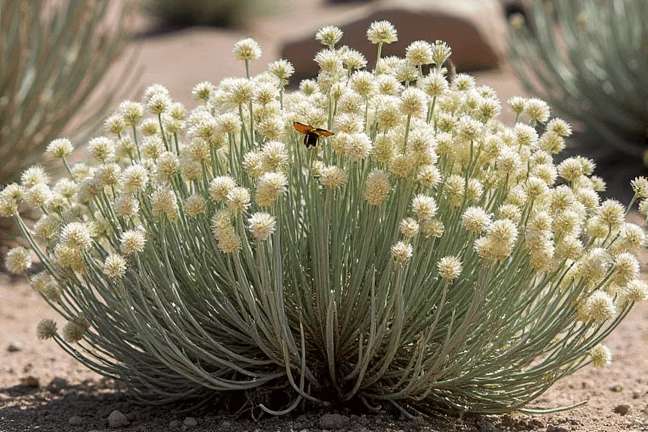
- Wait until the plant produces its fluffy, white seed heads (similar to dandelions) in late summer or fall.
- Gently shake the seed heads over a paper bag or container to catch the tiny seeds.
- Store the seeds in a cool, dry place until you’re ready to plant them again.
Tip: If you don’t want the plant to spread too much, trim off the seed heads before they release their seeds.
Plant Care FAQ
Q: Is Desert Broom invasive?
A: It can be in some areas because it spreads easily through wind-blown seeds. If you don’t want it to take over your garden, remove the seed heads before they disperse.
Q: Can I grow Desert Broom indoors?
A: It’s possible, but it prefers outdoor conditions with lots of sunlight and minimal water. If you bring it inside, make sure it gets plenty of light and don’t overwater it.
Q: My Desert Broom looks leggy. What should I do?
A: Prune it back! Trimming the plant will encourage bushier growth. Just be sure to do this in late winter or early spring before new growth starts.
Q: Why are the leaves turning yellow?
A: Yellowing leaves could mean overwatering. Desert Broom is drought-tolerant, so let the soil dry out completely between waterings.
Q: Does Desert Broom attract wildlife?
A: Yes! It attracts birds and butterflies, especially during its flowering season. The fluffy seed heads also provide food for birds.
Q: How fast does Desert Broom grow?
A: It grows fairly quickly, especially in warm climates. You’ll notice significant growth within the first year, and it can reach its full height of 6-10 feet within a couple of years.
Pro Tips
1. Companion Planting
Desert Broom pairs well with other drought-tolerant plants like cacti, succulents, or lavender, creating a low-maintenance, water-wise garden.2. Natural Erosion Control
Thanks to its extensive root system, Desert Broom is great for stabilizing loose soil on slopes or in areas prone to erosion.3. Minimal Fuss
Once established, this plant needs very little care—no fertilizers, minimal water, and it thrives in poor soil.4. Pollinator Magnet
The flowers attract bees and butterflies, so it’s a great addition if you’re looking to support pollinators in your garden.5. Windbreak
Due to its dense growth, Desert Broom can act as a natural windbreak in open landscapes, protecting more delicate plants.6. Avoid Overwatering
Remember, this plant is adapted to dry conditions. Too much water can lead to root rot, so err on the side of caution.7. Seasonal Pruning
Regularly trim back the plant in early spring to maintain its shape and prevent it from becoming too woody or sparse.