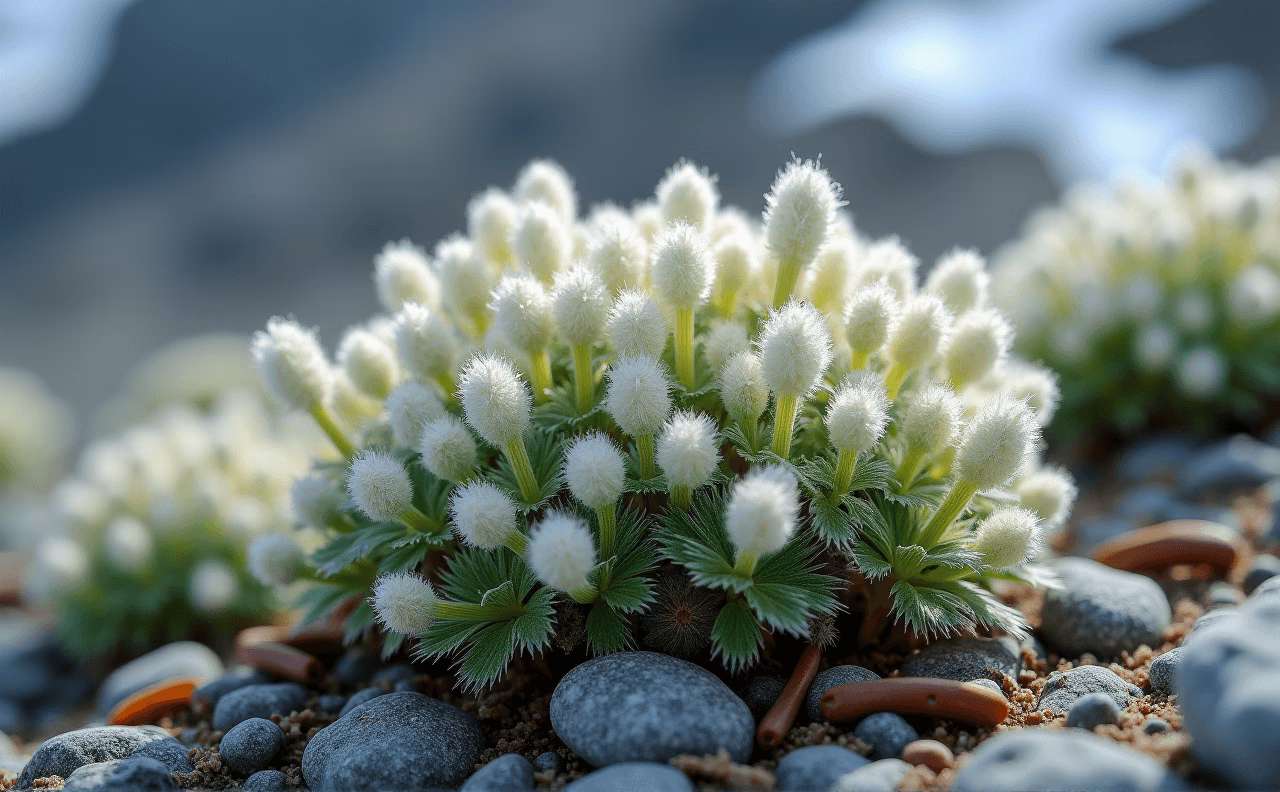
One-headed Pussytoes
Antennaria monocephala
Grow Time
60-75 days
Sunlight
Full Sun
Watering
Every 7-10 days
Toxicity
Non-toxic
How to plant One-headed Pussytoes: Step-by-Step Guide
Growing Guide
Preparation
What you'll need:

One-headed Pussytoes seeds or young plants (you can find them at nurseries that specialize in native plants)

A pot or a patch of garden soil
Well-draining soil (sandy or rocky soil works best for this plant)
- Small rocks or gravel (optional, to help with drainage)
When to start:
One-headed Pussytoes are tough little plants that thrive in cooler weather. The best time to plant them is in early spring, right after the last frost has passed. If you live in a colder region, you can also plant in the fall, giving the plant time to settle before winter.
Finding a good spot:
This plant loves sunlight but doesn’t mind a bit of shade either. It’s pretty adaptable, but it prefers full sun for at least 4-6 hours a day. If planting in your garden, look for a spot with well-draining soil—rocky or sandy areas work great. If using pots, make sure they have drainage holes and consider adding some gravel at the bottom to help water flow out easily.
Planting
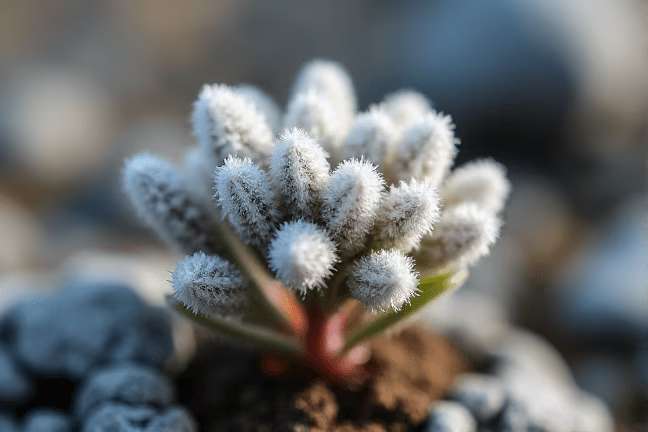
If you have seeds:
- Start by sprinkling the seeds on top of the soil in a small pot or directly in your garden bed. Don't bury them too deep—they need light to germinate!
- Gently press the seeds into the soil to ensure good contact.
- Water lightly, just enough to moisten the soil without soaking it.
- Keep the soil slightly moist while waiting for the seeds to sprout, which usually takes about 2-3 weeks.
If you have young plants:
- Dig a small hole in your garden or pot, about as deep as the root ball of the plant.
- Place the plant in the hole and cover the roots with soil, gently pressing down around the base.
- Water immediately after planting to help the plant settle in.
Planting tips:
- Space the plants about 6-12 inches apart if planting multiple Pussytoes, so they have room to spread.
- If you're planting in a pot, choose one that's at least 8 inches wide to give the roots space to grow.
- After planting, add a thin layer of gravel or small stones on top of the soil to improve drainage and mimic the plant’s natural habitat.
Growing Care
Watering:
- One-headed Pussytoes don’t like to be overwatered. Once established, they’re quite drought-tolerant, meaning they can survive with little water.
- During the first few weeks after planting, water lightly once or twice a week to help the plant settle in.
- After that, you can reduce watering to every 1-2 weeks, depending on how dry your soil gets. Always check the soil—if the top inch feels dry, it’s time to water.
Feeding:
- This plant doesn’t need much fertilizer. In fact, too much feeding can harm it. If you want to give it a boost, use a very light dose of general-purpose fertilizer once in early spring.
- Over-fertilizing can cause the plant to grow too quickly, which might weaken it.
Sunlight and temperature:
- These plants prefer cooler temperatures and can handle some frost. They’re hardy and can survive in zones 3-7.
- Make sure they get plenty of sunlight, but they’ll tolerate partial shade if needed.
Minor problem solving:
- Yellow leaves? You might be overwatering. Let the soil dry out a bit before watering again.
- Not spreading? Pussytoes like to spread through runners, so if they aren’t spreading, check if the soil is too compact. Loosen it up a bit to encourage growth.
- Pests? This plant is pretty resistant to pests, but if you notice any bugs, spray them off with water or remove them by hand.
Harvesting
Wait, do I harvest Pussytoes?
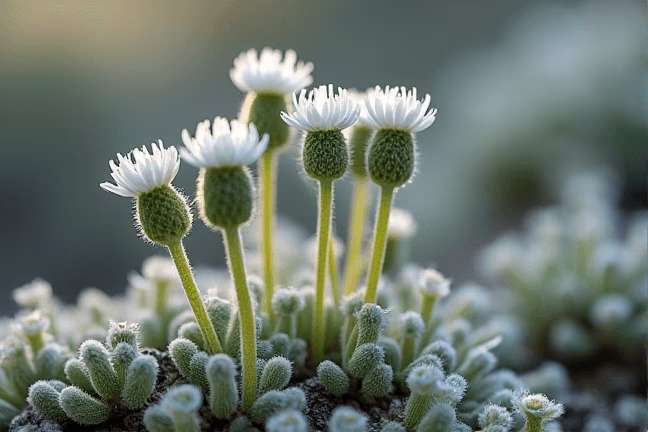
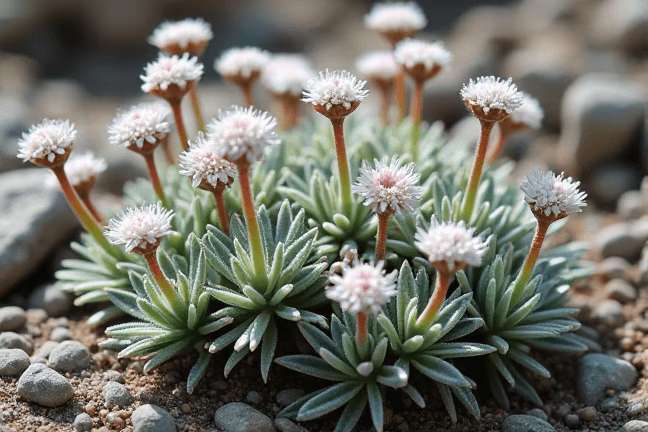
Technically, you don’t “harvest” One-headed Pussytoes the way you would vegetables or fruits. However, you can enjoy their fuzzy, silvery-white flowers from late spring to early summer. These blooms are not only charming but also attract beneficial pollinators like bees and butterflies to your garden.
Collecting seeds (optional):
If you’d like to grow more Pussytoes or share them with friends, you can collect the seeds after the flowers fade:
- Let the flowers dry out on the plant.
- Once they’ve turned brown and papery, gently shake the flower heads over a piece of paper or cloth to release the tiny seeds.
- Store the seeds in a cool, dry place until you’re ready to plant them.
End-of-season care:
After flowering, you can trim back the spent flower stems to keep the plant looking tidy. In the fall, the plant will naturally die back, and you can leave it alone—it will come back stronger next spring!
Plant Care FAQ
Q: Can I grow One-headed Pussytoes indoors?
A: While it’s possible to grow Pussytoes indoors, they’re better suited for outdoor environments where they can spread naturally. If you do try indoors, make sure they get plenty of sunlight and don’t overwater them.
Q: Are Pussytoes invasive?
A: Not exactly invasive, but they do spread through underground runners. This means they can form a nice ground cover over time, but they won’t take over your entire garden aggressively.
Q: Do Pussytoes attract wildlife?
A: Yes! Their flowers attract bees, butterflies, and other pollinators. Plus, they’re deer-resistant, which is great if you live in an area with lots of wildlife.
Q: My Pussytoes aren’t flowering. What’s wrong?
A: They might not be getting enough sunlight. Make sure they’re in a spot with at least 4-6 hours of direct sun each day. Also, avoid over-fertilizing, as too many nutrients can prevent flowering.
Q: Can I grow Pussytoes in a rock garden?
A: Absolutely! They’re perfect for rock gardens because they love well-draining soil and can handle dry conditions. Just make sure they get enough sunlight!
Pro Tips
1. Ground cover magic
One-headed Pussytoes make excellent ground cover plants. Plant them in areas where you want to prevent soil erosion or fill in bare spots.2. Low-maintenance beauty
These plants are super low-maintenance. Once established, they can thrive with minimal care, making them ideal for beginner gardeners or busy folks.3. Companion planting
Pair Pussytoes with other drought-tolerant plants like sedums or lavender to create a beautiful, low-water garden.4. Pollinator power
If you’re trying to attract more pollinators to your garden, Pussytoes are a great choice. Their flowers are especially attractive to native bees.5. Natural weed suppressor
Because Pussytoes spread through runners, they can help block out weeds once they’ve formed a dense mat.6. Winter interest
Even though the plant dies back in winter, its dried leaves and seed heads can add texture to your garden during the colder months.7. Easy propagation
Once your Pussytoes have spread, you can easily divide them and replant them elsewhere in your garden or share them with friends.